



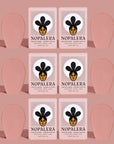
Cactus Soap
Alternative to liquid face or body wash in plastic bottles.
Harnessing the power of naturally exfoliating cactus fibers and pink rose clay, Nopalera's Soothing Cactus Soap draws out impurities and toxins while sealing in moisture for silky-soft, smooth skin. This nourishing formula transforms into a creamy lather, calming irritation and redness, while the subtle scent of precious jasmine oil melts away stress for an instant mood boost and head-to-toe glow.
Dermatologist-tested | Safe for sensitive skin
BENEFITS:
- Removes debris, impurities, and harmful toxins
- Gently cleanses, exfoliates, and smooths skin
- Helps reduce inflammation and irritation
- Soothes and intensely nourishes skin
- Boosts glow and brightens dullness
KEY INGREDIENTS:
- Prickly Pear Cactus Fibers: Refines texture and encourages cell turnover while drawing in moisture
- Pink Rose Clay: Gently cleanses and exfoliates, removing impurities and sloughing away dead skin cells
- Jasmine Oil: Soothes inflamed, dry skin, helps even tone, reduces stress and boosts mood
Cruelty-free | Palm oil-free | Vegan | No synthetic dyes | No synthetic fragrance
2 oz | 57 g
Similar Options:
Goes Great With:
Ingredients
Sodium Cocoate, Aqua/Water/Eau, Glycerin, Simmondsia Chinensis (Jojoba) Seed Oil, Coconut Acid, Sodium Chloride, Sodium Citrate, Opuntia Ficus-Indica (Cactus) Stem, Oryza Sativa (Rice) Powder, Sodium Gluconate, Kaolin, Butyrospermum Parkii (Shea) Butter, Ricinus Communis (Castor) Seed Oil, Theobroma Cacao (Cocoa) Seed Butter, Jasminum Sambac (Jasmine) Flower Wax, Iron Oxides (CI 77491)
Packaging
Paperboard box.
Care Instructions
Keep soap well-drained between uses for long life.
End of Life Instructions
Compost or recycle.
Where It Comes From
Nopalera is a Chicana-owned company based in Brooklyn, NY founded to elevate and celebrate Latin@ culture. Their products are inspired by the beauty and richness of Mexico. They use the nopal cactus, which is an ancient symbol of Mexican culture, both as inspiration and as an ingredient in their products. It's one of the most sustainable, nourishing, and resilient crops in the world. You can eat it, make textiles from it, and use it to hydrate your skin and hair.